When winter ends, most homeowners start thinking about spring cleaning, landscaping, and warmer weather.
But there’s one thing that should be at the top of your list: your roof.
Winter conditions can weaken shingles, loosen flashing, and cause slow leaks that aren’t obvious until spring rain arrives. The good news? A short post-winter maintenance check can prevent the most common roof emergencies — and protect your home from water damage.
Here’s a practical checklist of the most important roof repairs and why they matter.
Why Post-Winter Roof Checks Matter
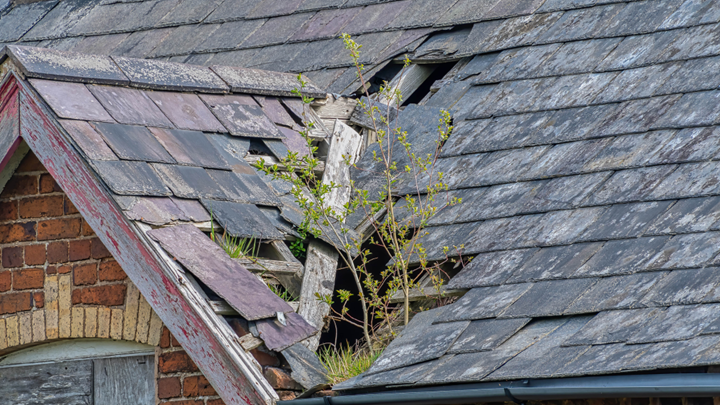
Winter is the season that quietly causes the most roof damage. The biggest issue is moisture — snow and ice sit longer, melt slowly, and work their way into weak spots.
By the time spring storms hit, that moisture can become:
- attic dampness
- mold growth
- insulation damage
- ceiling stains
- rotted decking
Most of these issues start small — which is why post-winter repairs are so valuable.
8 Key Roof Repairs to Check After Winter
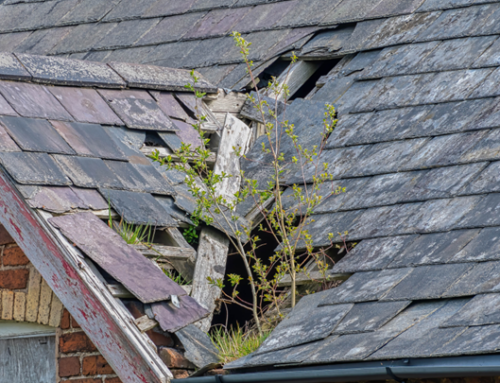
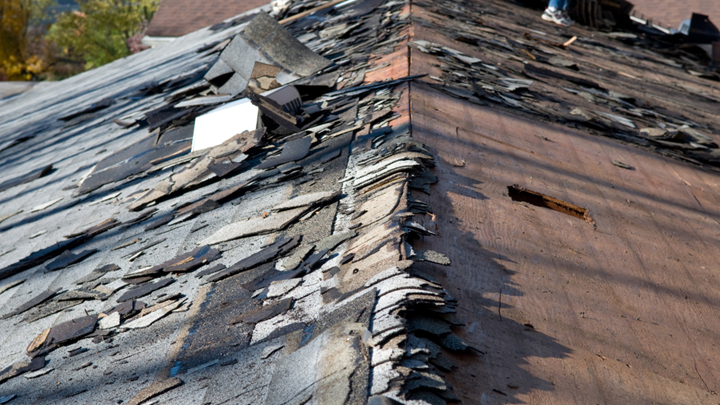
1) Replace Missing or Lifted Shingles
- Wind, ice, and temperature swings can lift shingles or break the adhesive seal. Even one missing shingle can create a leak path.
- Why it matters: The underlayment isn’t designed to be exposed long-term.
2) Repair Flashing Around Chimneys and Vents
- Flashing is one of the most common sources of roof leaks — and winter movement can loosen it.
- Why it matters: Water follows flashing edges straight into your home.
3) Seal Nail Pops and Exposed Fasteners
- As the roof expands and contracts, nails can push up.
- Why it matters: Exposed fasteners are like open doors for water intrusion.
4) Check Roof Valleys and Transitions
- Valleys carry a large amount of water and are more vulnerable to winter wear.
- Why it matters: If a valley fails, leaks can spread quickly.
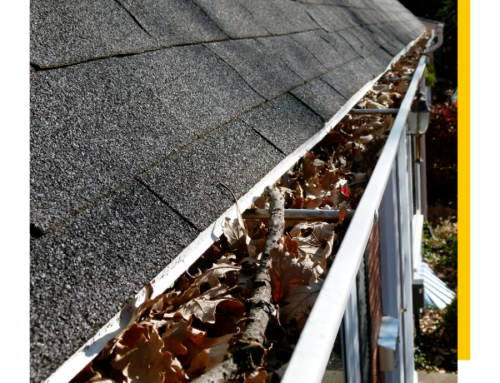
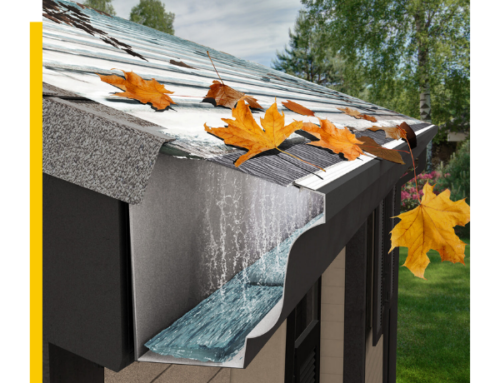
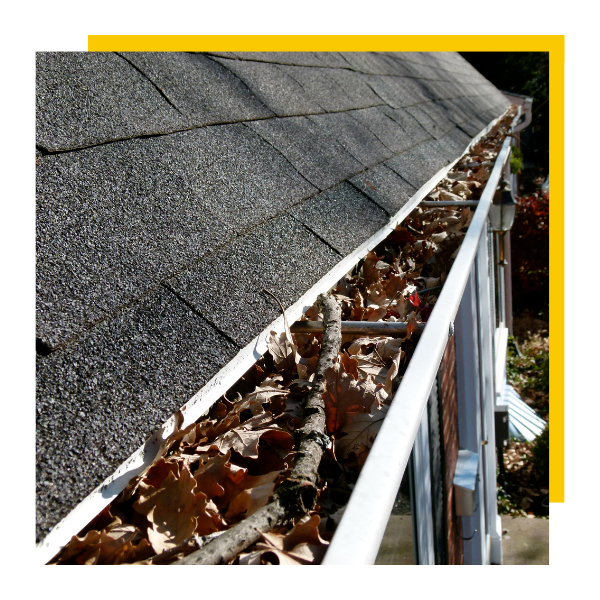
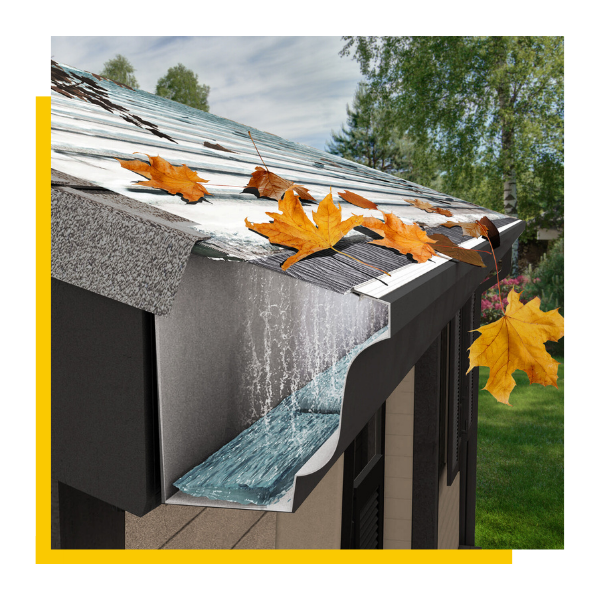
5) Inspect Gutters, Downspouts, and Drainage
- Ice and snow can pull gutters loose or clog them with debris.
- Why it matters: Poor drainage can push water under shingles and cause fascia rot.
6) Look for Signs of Ice Dam Damage
- If your home experienced ice dams, you may have hidden damage along the roof edge.
- Why it matters: Ice dams often push water underneath shingles, leading to slow leaks.
7) Fix Ventilation Issues (Especially in the Attic)
- Proper airflow keeps moisture from building up and prevents shingles from overheating later.
- Why it matters: Poor ventilation shortens roof life and can lead to mold and rot.
8) Address Any Branch or Debris Damage
- Even small branch scrapes can expose roofing materials or crack tiles.
- Why it matters: These weak spots become leaks during spring storms.
Quick Homeowner Check (Safe, No Ladder Needed)
You can spot several warning signs without climbing on the roof:
- walk the perimeter and look for missing shingles
- check gutters for granules, shingle pieces, or heavy debris
- look for dark streaks or sagging areas
- inspect ceilings and walls for stains or bubbling paint
- check attic areas (if accessible) for damp insulation or musty smells
If you notice any of these, it’s time to have a professional take a closer look.
Why “Small Repairs” Are Actually Smart Investments
The most expensive roof problems usually start as:
- a tiny gap in flashing
- one lifted shingle
- a clogged gutter
- a pinhole leak near a vent
Fixing those early can:
- prevent water damage
- extend roof lifespan
- avoid major structural repairs
- protect your home’s value
- reduce stress during storms
Don’t Let Spring Rain Expose a Winter Problem
If your roof has winter wear, the next storm will find it.
A professional inspection can confirm what’s going on and help you plan repairs before the problem gets worse.
 Schedule a roof inspection today and make sure your roof is ready for spring.