Winter can be rough on your roof. Between freezing temperatures, snow loads, ice dams, wind gusts, and constant expansion and contraction, your roofing system works overtime to protect your home.
The problem? A lot of winter roof damage doesn’t show up right away. Many homeowners don’t realize there’s an issue until spring rain hits — and by then, a small problem can turn into expensive water damage.
Here’s why roof repairs are especially important after winter, plus what to look for before the next storm season begins.
Why Roof Damage Often Shows Up After Winter
Your roof isn’t just shingles. It’s a system — shingles or tiles, underlayment, flashing, vents, gutters, sealants, and decking — and winter can stress every part of it.
Common winter-related causes of roof damage include:
- Freeze-thaw cycles that crack sealants and loosen materials
- Heavy snow loads that strain weak spots
- Ice dams that push water under shingles
- High winds that lift shingles and break flashing seals
- Falling branches that puncture or scrape roofing materials
Even if your roof looks fine from the ground, there may be small issues that are ready to become big ones once moisture starts moving through them.
The Real Cost of Waiting
A missing shingle doesn’t always look like a crisis — until water starts creeping into insulation, drywall, and framing. What could have been a simple repair can quickly become:
- ceiling stains and bubbling paint
- mold growth in attic or walls
- rotted roof decking
- higher heating/cooling costs
- structural issues (in worst cases)
Roof repairs are one of those things where early action saves money. Small repairs done at the right time help your roof last longer and prevent larger, disruptive damage.
6 Signs Your Roof May Need Repairs After Winter
Here are common post-winter warning signs homeowners should watch for:
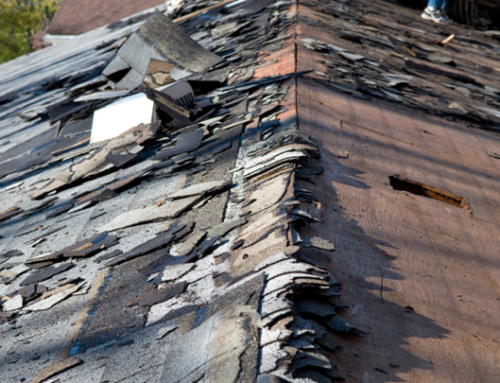
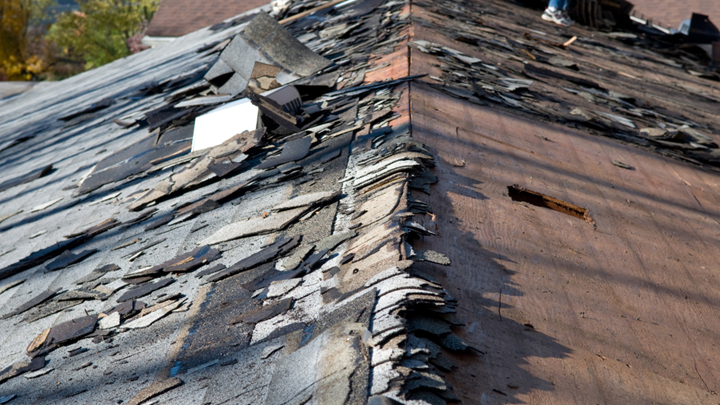
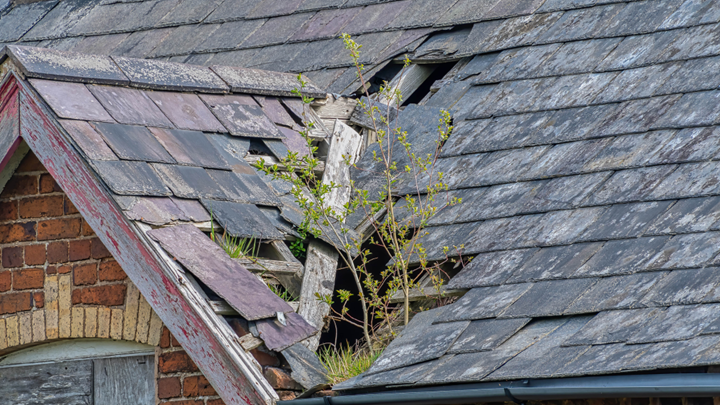
- Missing, curled, or loose shingles
- Shingles that have lifted or shifted are a major entry point for water.
- Granules in gutters or downspouts
- If your gutters look like they’re full of sand, your shingles may be wearing down.
- Water stains on ceilings or walls
- Even small stains can mean active moisture intrusion.
- Sagging roofline or soft spots
- This can indicate water damage beneath the surface.
- Damaged flashing around chimneys or vents
- Flashing failures are a top cause of leaks, especially after winter movement.
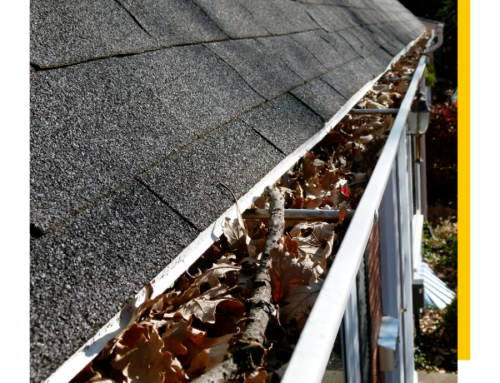
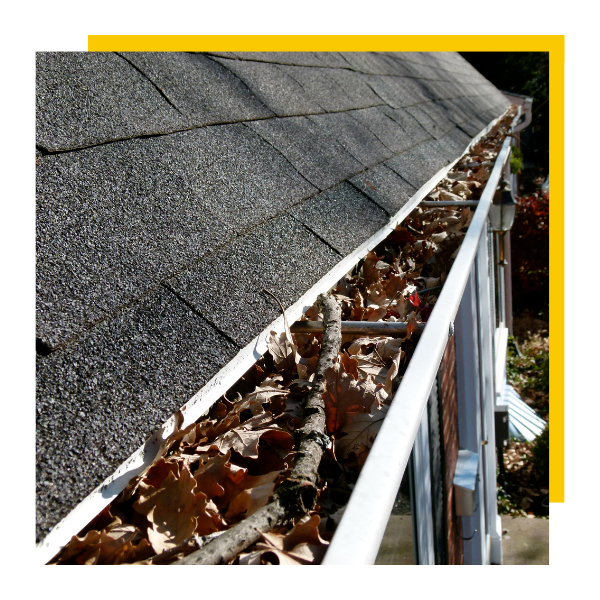
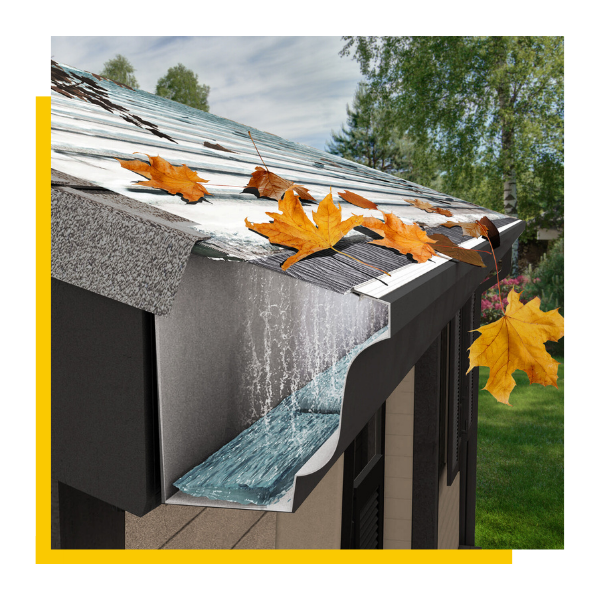
- Gutter issues
- Detached or bent gutters can back water up under the roof edge and cause rot.
If you notice any of these, it’s smart to schedule an inspection before the damage spreads.
Why a Professional Roof Inspection Matters
Many roof problems aren’t visible from the ground — or even obvious from a quick glance up a ladder. A professional inspection looks for:
- weak points around vents, chimneys, and valleys
- nail pops and lifting shingles
- flashing separation
- attic moisture and ventilation issues
- gutter alignment and drainage problems
The goal is simple: catch issues while they’re still easy and affordable to fix.
The Best Time for Roof Repairs? Right After Winter.
Spring is a perfect time for roof repairs because:
- the damage is fresh (and easier to pinpoint)
- you can address leaks before heavy spring storms
- repairs help prevent summer heat-related wear
- you can plan ahead before contractors get booked out
Schedule Your Roof Repair Before It Becomes a Leak
If winter left your roof with loose shingles, damaged flashing, or gutter issues, don’t wait for the next storm to reveal the problem.
A quick inspection and simple repair now can save you thousands later.
 Book a roof inspection today to find out if your roof needs repairs — and get peace of mind going into the warmer seasons.